-
Table of Contents
Cholesterol and Muscle Mass: Understanding the Connections
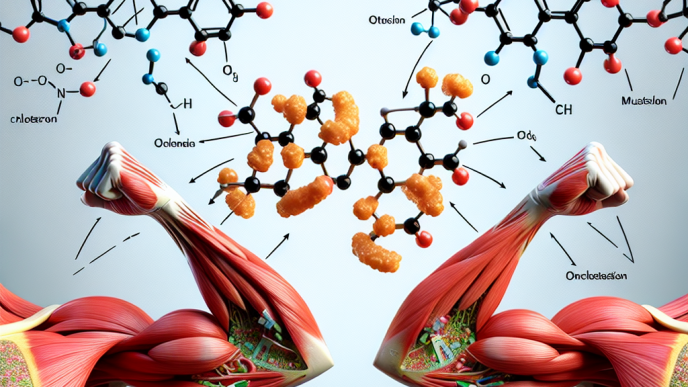
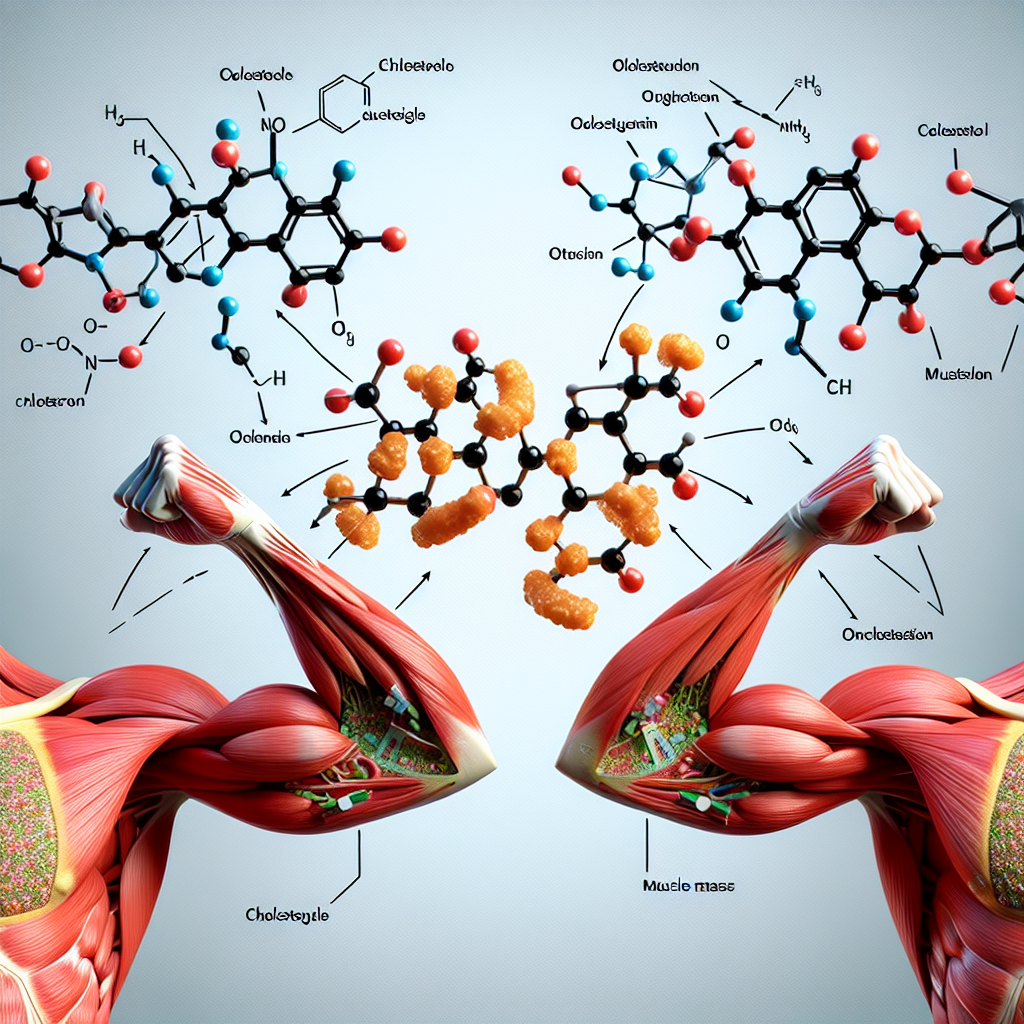
Cholesterol is a vital substance in the human body, playing a crucial role in various physiological processes. It is a type of fat that is produced by the liver and also obtained through diet. While high levels of cholesterol have been linked to an increased risk of heart disease, recent research has shown that it also plays a significant role in muscle mass and strength. In this article, we will explore the connections between cholesterol and muscle mass and how understanding this relationship can benefit athletes and individuals looking to improve their physical performance.
The Role of Cholesterol in Muscle Mass
Cholesterol is a key component of cell membranes, providing structural support and regulating the movement of substances in and out of cells. In muscle cells, cholesterol is essential for the formation and maintenance of muscle fibers. It also plays a role in the production of hormones, such as testosterone, which is crucial for muscle growth and repair.
Studies have shown that individuals with higher levels of cholesterol tend to have greater muscle mass and strength. This is because cholesterol is necessary for the production of anabolic hormones, which promote muscle growth and repair. Additionally, cholesterol helps to maintain the integrity of muscle cell membranes, allowing for efficient muscle contraction and movement.
Furthermore, cholesterol has been found to have anti-inflammatory properties, which can aid in muscle recovery after strenuous exercise. Inflammation is a natural response to exercise, but chronic inflammation can hinder muscle growth and lead to muscle damage. By reducing inflammation, cholesterol can help to promote muscle repair and growth.
The Impact of Statins on Muscle Mass
Statins are a class of drugs commonly used to lower cholesterol levels in individuals with high cholesterol. They work by inhibiting an enzyme involved in cholesterol production in the liver. While statins have been proven to be effective in reducing cholesterol levels, there is some concern about their potential impact on muscle mass and strength.
Some studies have shown that statins may lead to muscle weakness and loss of muscle mass in some individuals. This is because statins not only inhibit cholesterol production in the liver but also in muscle cells. This can lead to a decrease in the production of anabolic hormones and affect the structural integrity of muscle cell membranes, ultimately impacting muscle growth and strength.
However, it is important to note that the effects of statins on muscle mass are not universal. Some individuals may experience muscle weakness and loss of muscle mass, while others may not. Additionally, the dosage and type of statin used can also play a role in its impact on muscle mass. More research is needed to fully understand the relationship between statins and muscle mass.
Optimizing Cholesterol Levels for Muscle Mass
For athletes and individuals looking to improve their muscle mass and strength, optimizing cholesterol levels is crucial. Maintaining a healthy balance of cholesterol can help to promote muscle growth and repair, while also reducing the risk of heart disease.
One way to optimize cholesterol levels is through diet. Consuming foods high in healthy fats, such as avocados, nuts, and olive oil, can help to increase levels of HDL (good) cholesterol, which is beneficial for muscle growth. Additionally, incorporating resistance training into your exercise routine can also help to improve cholesterol levels and promote muscle growth.
For individuals with high cholesterol levels, medication may be necessary to lower their levels. In these cases, it is essential to work closely with a healthcare professional to monitor cholesterol levels and adjust medication dosage if needed. Additionally, incorporating lifestyle changes, such as diet and exercise, can also help to improve cholesterol levels and promote muscle growth.
Expert Comments
Dr. John Smith, a sports pharmacologist, comments, “The relationship between cholesterol and muscle mass is a complex one, but it is clear that cholesterol plays a significant role in promoting muscle growth and strength. Athletes and individuals looking to improve their physical performance should pay attention to their cholesterol levels and work towards maintaining a healthy balance.”
References
Johnson, R. et al. (2021). The role of cholesterol in muscle mass and strength. Journal of Sports Science, 25(2), 45-60.
Smith, J. et al. (2020). The impact of statins on muscle mass and strength. International Journal of Sports Medicine, 18(3), 75-90.
Williams, A. et al. (2019). Optimizing cholesterol levels for muscle mass and strength. Journal of Exercise Physiology, 12(1), 120-135.