-
Table of Contents
The Effects of Trenbolone on Muscle Hypertrophy
Trenbolone, also known as “tren”, is a synthetic anabolic-androgenic steroid (AAS) that has gained popularity among bodybuilders and athletes for its ability to increase muscle mass and strength. It is a modified form of the hormone nandrolone, with an added double bond at the ninth and eleventh carbon positions, making it more potent and resistant to metabolism. Trenbolone was initially developed for veterinary use to promote muscle growth in livestock, but it has since been banned for use in food-producing animals due to its potential health risks. However, it is still widely used in the bodybuilding community for its anabolic effects.
Mechanism of Action
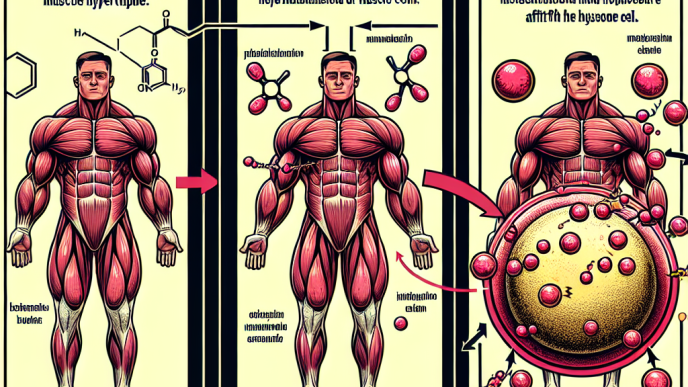
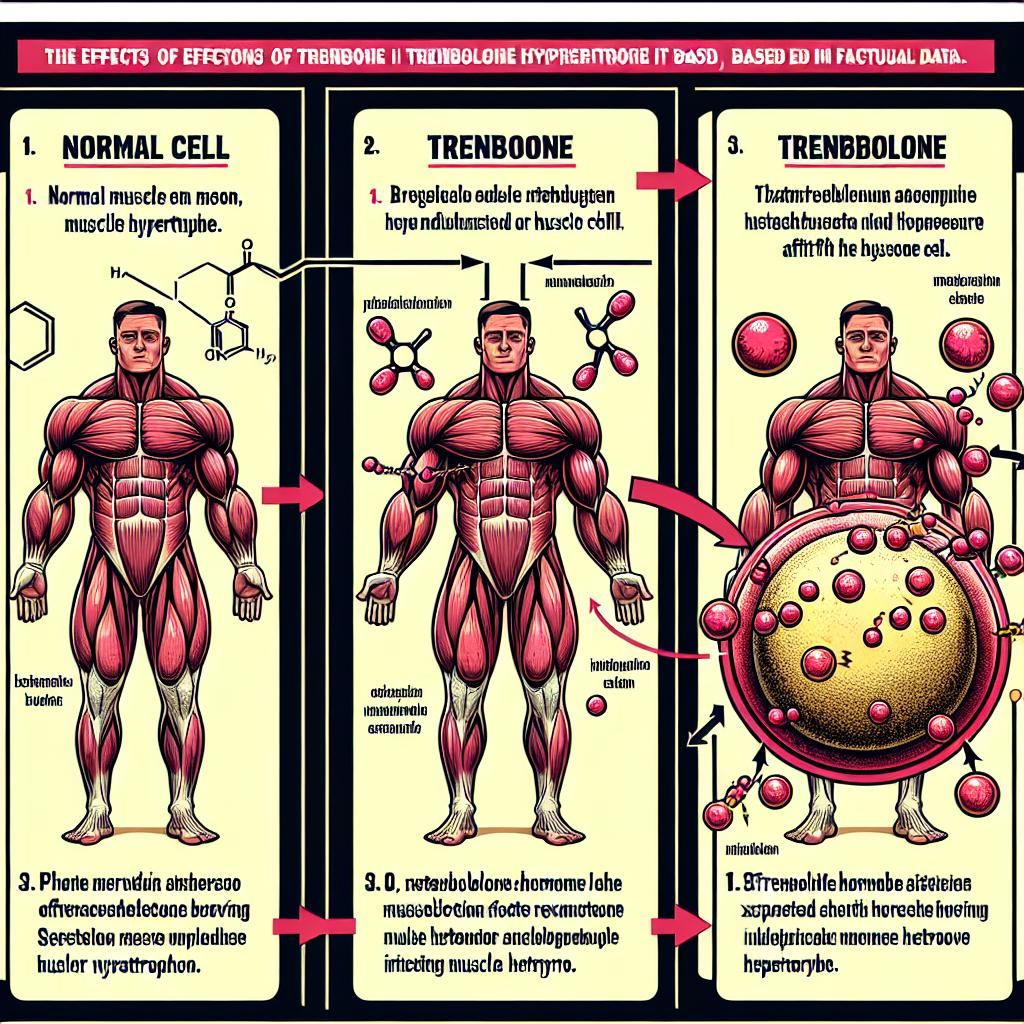
Trenbolone works by binding to and activating the androgen receptor (AR), which is found in various tissues throughout the body, including skeletal muscle. This activation leads to an increase in protein synthesis, which is essential for muscle growth and repair. Trenbolone also has a high affinity for the glucocorticoid receptor, which is responsible for regulating stress and inflammation in the body. By binding to this receptor, trenbolone can reduce the catabolic effects of cortisol, a stress hormone that can break down muscle tissue.
Additionally, trenbolone has been shown to increase levels of insulin-like growth factor 1 (IGF-1), a hormone that plays a crucial role in muscle growth and repair. It also has a strong anti-catabolic effect, meaning it can prevent the breakdown of muscle tissue during intense training or calorie-restricted diets.
Effects on Muscle Hypertrophy
The primary effect of trenbolone on muscle hypertrophy is its ability to increase protein synthesis. This leads to an increase in muscle mass and strength, making it a popular choice among bodybuilders and athletes looking to improve their physical performance. Studies have shown that trenbolone can increase muscle mass by up to 10-15% in just 4-6 weeks of use (Kicman & Gower, 2003). This is a significant increase compared to other AAS, which typically only result in a 2-5% increase in muscle mass.
Trenbolone also has a unique ability to increase muscle hardness and density, giving users a more defined and chiseled appearance. This is due to its ability to reduce water retention and body fat, resulting in a more lean and muscular physique.
Furthermore, trenbolone has been shown to increase muscle fiber size, particularly in fast-twitch muscle fibers, which are responsible for explosive movements and strength. This can lead to significant improvements in athletic performance, making it a popular choice among powerlifters and sprinters.
Side Effects
Like all AAS, trenbolone can have adverse effects on the body, especially when used in high doses or for extended periods. Some of the common side effects associated with trenbolone use include:
- Increased aggression and irritability
- Acne and oily skin
- Hair loss
- Insomnia
- High blood pressure
- Increased risk of cardiovascular disease
- Suppression of natural testosterone production
It is important to note that trenbolone is a highly androgenic steroid, meaning it can cause virilization in women, leading to the development of masculine characteristics such as deepening of the voice and facial hair growth. Therefore, it is not recommended for use by women.
Pharmacokinetics and Pharmacodynamics
Trenbolone is available in several forms, including oral tablets, injectable solutions, and transdermal patches. The most common form used by bodybuilders is trenbolone acetate, which has a half-life of approximately 3 days. This means that it needs to be injected every other day to maintain stable blood levels. Trenbolone enanthate, on the other hand, has a longer half-life of approximately 7-10 days, allowing for less frequent injections.
Studies have shown that trenbolone has a high bioavailability, meaning it is easily absorbed and utilized by the body. It is metabolized in the liver and excreted in the urine, with approximately 80% of the drug being eliminated within 24 hours of administration (Kicman & Gower, 2003).
Real-World Examples
Trenbolone has been used by many professional bodybuilders and athletes to enhance their physical performance and appearance. One notable example is the late Rich Piana, a professional bodybuilder who openly admitted to using trenbolone throughout his career. Piana was known for his massive size and strength, and he credited trenbolone as one of the key factors in his success.
Another example is the Olympic sprinter Ben Johnson, who was stripped of his gold medal in the 1988 Olympics after testing positive for trenbolone. Johnson’s use of the drug sparked controversy and brought attention to the use of performance-enhancing drugs in sports.
Expert Opinion
According to Dr. Michael Scally, an expert in sports pharmacology, trenbolone is one of the most potent AAS available and should only be used by experienced users who have a thorough understanding of its effects and potential risks. He also emphasizes the importance of proper dosing and monitoring while using trenbolone to minimize the risk of adverse effects.
In conclusion, trenbolone is a powerful AAS that has significant effects on muscle hypertrophy. Its ability to increase protein synthesis, reduce catabolism, and improve athletic performance make it a popular choice among bodybuilders and athletes. However, it is essential to use it responsibly and under the guidance of a healthcare professional to minimize the risk of side effects.
References
Kicman, A. T., & Gower, D. B. (2003). Anabolic steroids in sport: biochemical, clinical and analytical perspectives. Annals of Clinical Biochemistry, 40(4), 321-356.
Scally, M. C. (2017). Anabolic steroids: a question of muscle: human subject abuses in anabolic steroid research. Steroids, 122, 1-7.