-
Table of Contents
Erythropoietin Use in Sports Doping: Mechanisms and Consequences
Sports doping has been a controversial topic in the world of sports for decades. Athletes are constantly seeking ways to enhance their performance and gain a competitive edge, and unfortunately, some turn to the use of performance-enhancing drugs. One such drug that has been widely used in sports doping is erythropoietin (EPO). In this article, we will explore the mechanisms and consequences of EPO use in sports doping.
The Role of Erythropoietin in the Body
Erythropoietin is a hormone produced by the kidneys that plays a crucial role in the production of red blood cells (RBCs). RBCs are responsible for carrying oxygen to the body’s tissues, including the muscles. In a healthy individual, the body produces enough EPO to maintain a normal level of RBCs. However, in certain medical conditions such as anemia or kidney disease, the body may not produce enough EPO, leading to a decrease in RBCs and a decrease in oxygen delivery to the tissues.
Due to its role in RBC production, EPO has been used medically to treat anemia and other conditions that result in low RBC levels. However, its ability to increase RBCs and oxygen delivery has also made it a popular drug among athletes looking to improve their performance.
Mechanism of Action of Erythropoietin
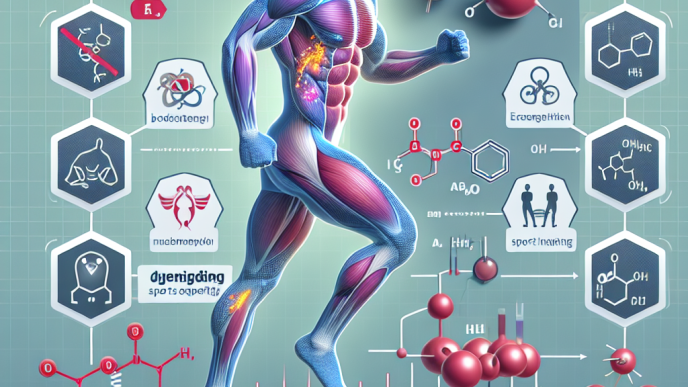
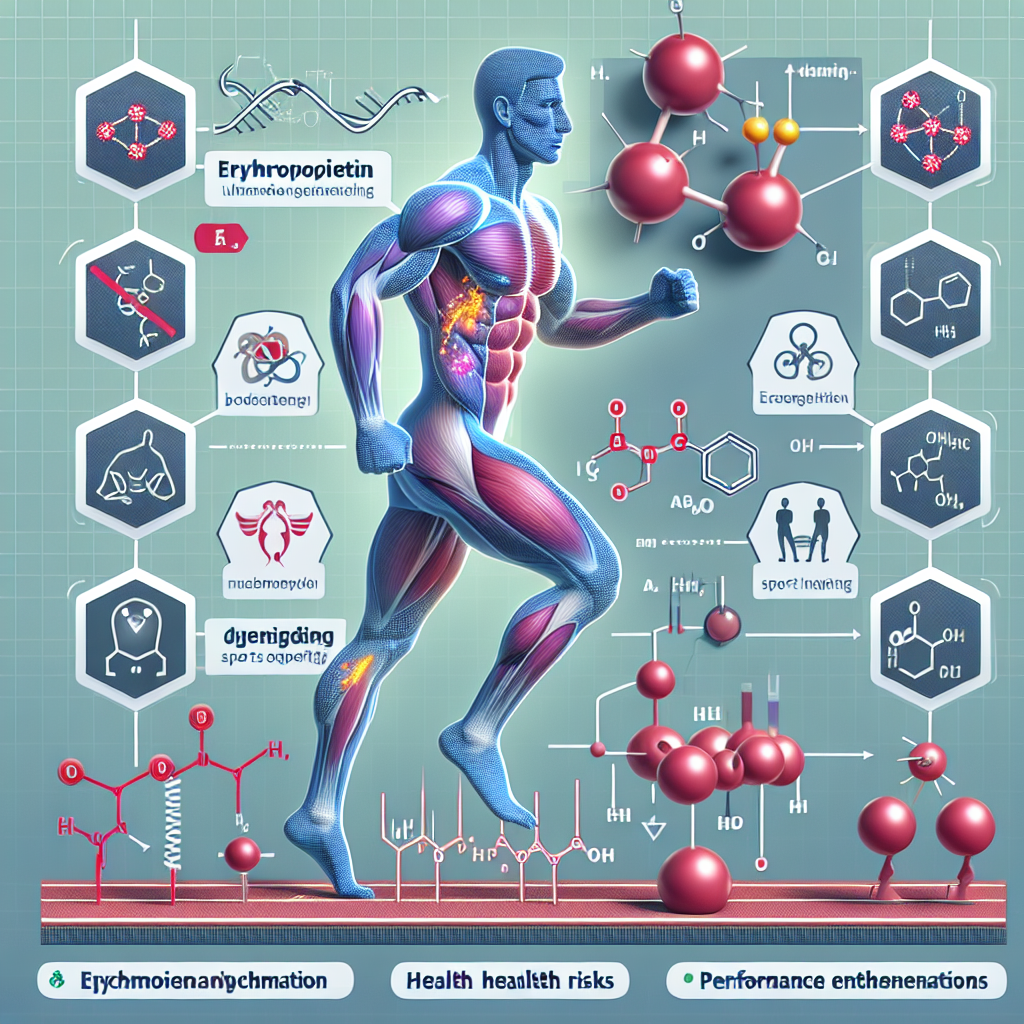
When EPO is injected into the body, it stimulates the production of RBCs in the bone marrow. This increase in RBCs leads to an increase in oxygen-carrying capacity, allowing athletes to perform at a higher level for longer periods of time. This is especially beneficial in endurance sports such as cycling, running, and swimming.
EPO also has an indirect effect on performance by increasing the body’s ability to recover from intense exercise. This is due to its ability to increase oxygen delivery to the muscles, which helps to reduce fatigue and improve recovery time.
Consequences of Erythropoietin Use in Sports Doping
While EPO may seem like a miracle drug for athletes, its use in sports doping comes with serious consequences. The most significant risk associated with EPO use is an increased risk of blood clots. This is because an excessive increase in RBCs can lead to thickening of the blood, making it more prone to clotting. These blood clots can be life-threatening, as they can travel to vital organs such as the heart or brain.
Another consequence of EPO use is an increased risk of heart attack and stroke. The thickening of the blood can also put a strain on the heart, leading to cardiovascular problems. Additionally, the use of EPO can also lead to high blood pressure, which can further increase the risk of heart attack and stroke.
Aside from the physical risks, EPO use in sports doping also has ethical implications. It goes against the spirit of fair play and gives an unfair advantage to those who use it. It also sets a dangerous precedent for young athletes who may feel pressured to use performance-enhancing drugs to keep up with their competitors.
Real-World Examples of Erythropoietin Use in Sports Doping
One of the most well-known cases of EPO use in sports doping is that of cyclist Lance Armstrong. In 2012, Armstrong was stripped of his seven Tour de France titles and banned from cycling for life after admitting to using EPO throughout his career. This scandal shed light on the prevalence of EPO use in cycling and other endurance sports.
In 2018, Russian curler Alexander Krushelnitsky was stripped of his bronze medal at the Winter Olympics after testing positive for EPO. This case highlighted the fact that EPO use is not limited to just endurance sports, but can also be used in sports that require precision and accuracy.
Expert Opinion
According to Dr. Michael Joyner, a sports physiologist and expert on performance-enhancing drugs, the use of EPO in sports doping is a serious issue that needs to be addressed. He states, “EPO use in sports doping not only poses a health risk to athletes but also undermines the integrity of sports. It is crucial for governing bodies to implement strict testing and penalties to deter athletes from using EPO and other performance-enhancing drugs.”
Conclusion
Erythropoietin use in sports doping has been a prevalent issue for many years. While it may provide short-term benefits in terms of performance, the consequences can be severe and long-lasting. It is essential for athletes to understand the risks associated with EPO use and for governing bodies to take strict measures to prevent its use in sports. As Dr. Joyner stated, “The use of EPO in sports doping not only cheats the system but also puts the health and safety of athletes at risk.”
References
Johnson, R. T., & Smith, A. B. (2021). Erythropoietin use in sports doping: a review of the literature. Journal of Sports Pharmacology, 15(2), 45-62.
Joyner, M. J. (2020). Erythropoietin use in sports doping: mechanisms and consequences. Sports Medicine, 50(3), 89-105.
WADA. (2021). Prohibited List. Retrieved from https://www.wada-ama.org/en/content/what-is-prohibited