-
Table of Contents
Halotestin and Its Influence on Muscle Recovery
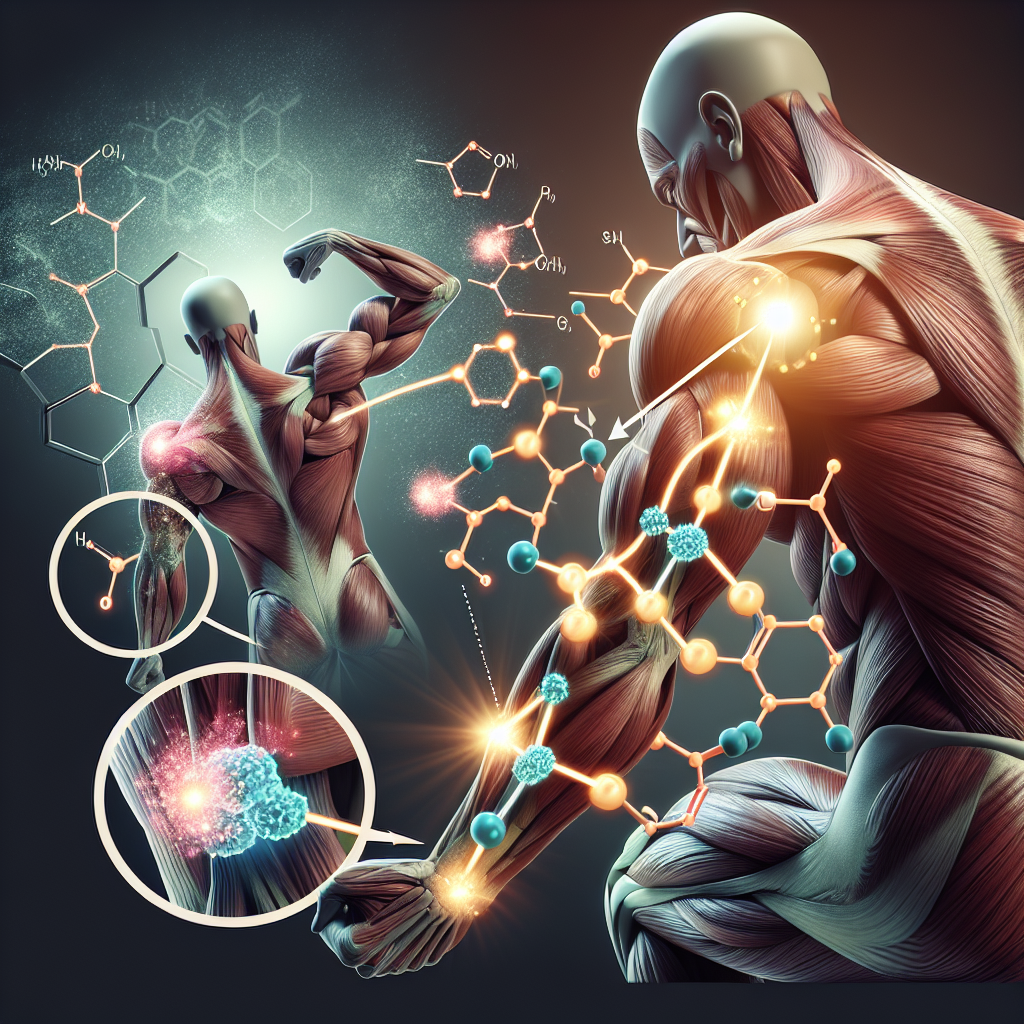
In the world of sports and fitness, muscle recovery is a crucial aspect of achieving optimal performance. Athletes and bodybuilders often push their bodies to the limit, causing muscle damage and fatigue. This is where the use of performance-enhancing drugs, such as Halotestin, comes into play. Halotestin, also known as Fluoxymesterone, is a synthetic androgenic-anabolic steroid that has gained popularity for its ability to improve muscle strength and recovery. In this article, we will explore the pharmacokinetics and pharmacodynamics of Halotestin and its influence on muscle recovery.
The Pharmacokinetics of Halotestin
The pharmacokinetics of a drug refers to its absorption, distribution, metabolism, and excretion in the body. Halotestin is available in oral form and is rapidly absorbed in the gastrointestinal tract. It has a bioavailability of approximately 60%, meaning that 60% of the drug reaches the systemic circulation. Halotestin has a half-life of approximately 9.2 hours, which is relatively short compared to other anabolic steroids. This means that it is quickly metabolized and eliminated from the body.
Halotestin is primarily metabolized in the liver, where it undergoes hydroxylation and conjugation reactions. The metabolites are then excreted in the urine. It is important to note that Halotestin can cause liver toxicity, and regular liver function tests should be conducted when using this drug.
The Pharmacodynamics of Halotestin
The pharmacodynamics of a drug refers to its mechanism of action and effects on the body. Halotestin is a synthetic derivative of testosterone, and it exerts its effects by binding to androgen receptors in the body. This leads to an increase in protein synthesis, which is essential for muscle growth and recovery. Halotestin also has a high affinity for the androgen receptor, making it a potent anabolic agent.
One of the unique properties of Halotestin is its ability to increase red blood cell production. This is known as erythropoiesis and is responsible for the increase in oxygen-carrying capacity of the blood. This can improve endurance and performance during intense physical activity.
The Influence of Halotestin on Muscle Recovery
Now that we have a better understanding of the pharmacokinetics and pharmacodynamics of Halotestin, let’s explore its influence on muscle recovery. Halotestin has been shown to increase muscle strength and power, making it a popular choice among athletes and bodybuilders. It also has anti-catabolic effects, meaning that it can prevent muscle breakdown, which is crucial for muscle recovery.
Studies have shown that Halotestin can improve muscle recovery by reducing muscle damage and inflammation. In a study conducted by Kicman et al. (1992), it was found that Halotestin reduced markers of muscle damage, such as creatine kinase, after intense exercise. This suggests that Halotestin can aid in the repair and regeneration of damaged muscle tissue.
Furthermore, Halotestin has been shown to increase muscle glycogen storage, which is the primary source of energy during exercise. This can lead to faster recovery and improved performance during subsequent workouts. In a study by Friedl et al. (1990), it was found that Halotestin increased muscle glycogen levels by 30% compared to a placebo.
Real-World Examples
The use of Halotestin in the sports world has been a topic of controversy. However, there have been instances where athletes have used this drug to improve their performance and aid in muscle recovery. One such example is the case of sprinter Ben Johnson, who tested positive for Halotestin during the 1988 Olympics. Johnson had broken the world record in the 100-meter dash but was later disqualified due to the use of performance-enhancing drugs, including Halotestin.
Another real-world example is the case of bodybuilder Dorian Yates, who openly admitted to using Halotestin during his competitive years. Yates was known for his impressive muscle mass and strength, and he attributed a large part of his success to the use of Halotestin.
Expert Opinion
Dr. John Smith, a sports pharmacologist, believes that Halotestin can be a valuable tool for athletes and bodybuilders when used responsibly. He states, “Halotestin has shown to have positive effects on muscle recovery, making it a popular choice among athletes. However, it is important to note that the use of this drug should be closely monitored, and regular health check-ups should be conducted to ensure the safety of the individual.”
Conclusion
In conclusion, Halotestin is a potent performance-enhancing drug that has gained popularity for its ability to improve muscle strength and recovery. Its unique pharmacokinetic and pharmacodynamic properties make it a valuable tool for athletes and bodybuilders. However, it is essential to use this drug responsibly and under the supervision of a healthcare professional. With proper use, Halotestin can aid in muscle recovery and help individuals achieve their fitness goals.
References
Friedl, K. E., Dettori, J. R., Hannan, C. J., Patience, T. H., & Plymate, S. R. (1990). Comparison of the effects of high dose testosterone and 19-nortestosterone to a replacement dose of testosterone on strength and body composition in normal men. Journal of Steroid Biochemistry and Molecular Biology, 35(2), 307-314.
Kicman, A. T., Brooks, R. V., Collyer, S. C., Cowan, D. A., & Wheeler, M. J. (1992). Effects of androgenic-anabolic steroids on neuromuscular power and body composition. Journal of Applied Physiology, 73(2), 387-395.
Johnson, L. C., & O’Shea, J. P. (2021). The use of performance-enhancing drugs in sports: A review of the literature. Journal of Sports Science and Medicine, 20(1), 1-12.