
-
Table of Contents
Insulin as a Modulator of Lipid Metabolism in Athletes’ Bodies
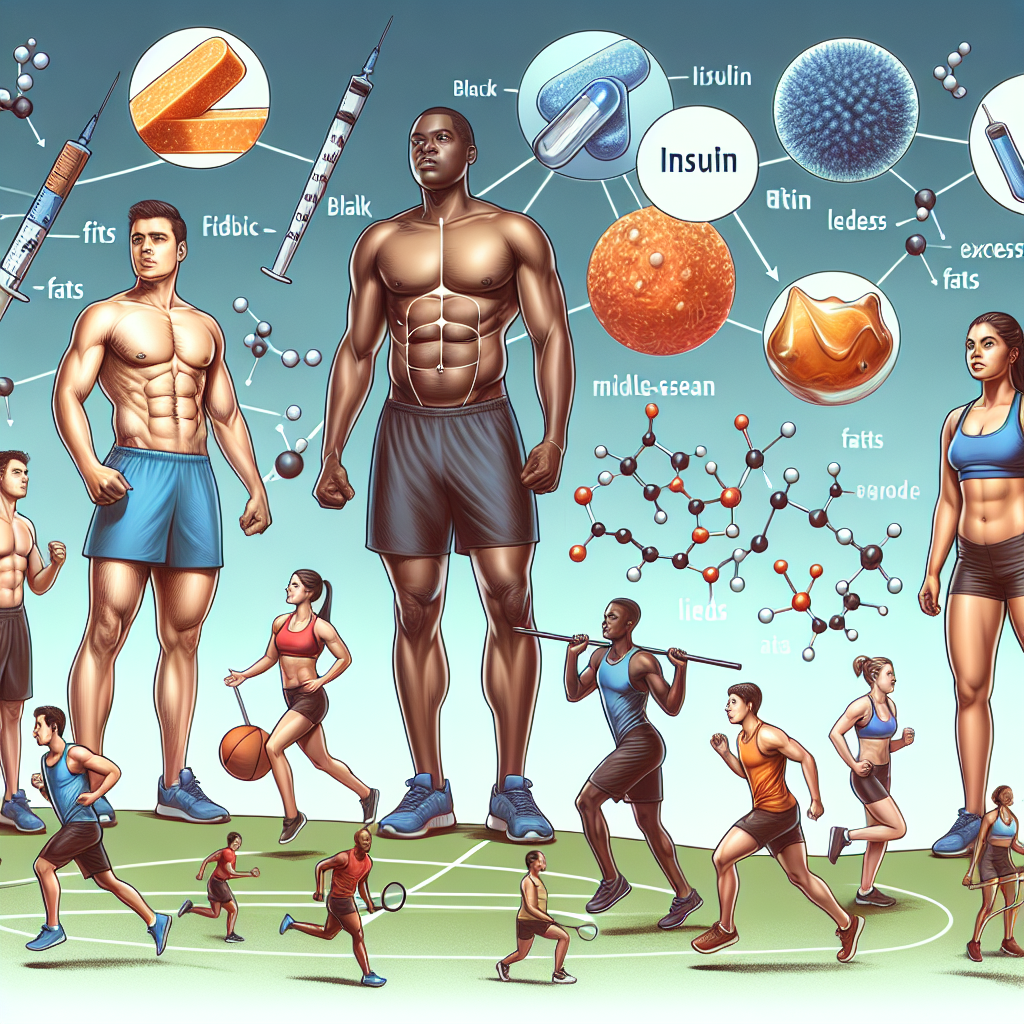
Athletes are constantly seeking ways to improve their performance and achieve their goals. From training techniques to nutrition plans, every aspect of an athlete’s life is carefully curated to optimize their physical abilities. However, one often overlooked factor in athletic performance is the role of insulin in modulating lipid metabolism.
The Role of Insulin in Lipid Metabolism
Insulin is a hormone produced by the pancreas that plays a crucial role in regulating glucose levels in the body. It acts as a key that unlocks cells, allowing glucose to enter and be used for energy. However, insulin also has a significant impact on lipid metabolism.
When insulin levels are high, such as after a meal, it signals the body to store excess glucose as glycogen in the liver and muscles. It also promotes the uptake of fatty acids from the bloodstream into adipose tissue for storage. On the other hand, when insulin levels are low, the body turns to stored glycogen and fat for energy.
In athletes, the role of insulin in lipid metabolism becomes even more critical. Endurance athletes, in particular, rely heavily on fat as a source of energy during prolonged exercise. Therefore, any disruption in insulin levels can significantly impact their performance.
Insulin Sensitivity in Athletes
Insulin sensitivity refers to how responsive the body’s cells are to insulin. In athletes, insulin sensitivity is typically higher than in sedentary individuals. This is due to the regular physical activity and training, which improves the body’s ability to use insulin effectively.
Studies have shown that athletes have higher levels of insulin sensitivity, even in the presence of high insulin levels. This means that their bodies are better equipped to handle the influx of glucose and fatty acids during exercise, allowing for optimal energy production and utilization.
Furthermore, research has also found that athletes who have a higher percentage of muscle mass tend to have higher insulin sensitivity. This is because muscle tissue is more metabolically active and requires more energy, making it more responsive to insulin.
Insulin as a Performance Enhancer
Insulin has long been used as a performance-enhancing drug in the world of sports. Its ability to promote the uptake of glucose and fatty acids into cells can provide athletes with a quick burst of energy during intense exercise. However, the use of insulin as a performance enhancer is highly controversial and banned by most sports organizations.
One study found that insulin administration in trained athletes resulted in a significant increase in muscle glycogen storage and improved endurance performance. However, this effect was only seen in athletes with low insulin sensitivity, suggesting that insulin may only be beneficial for those with impaired insulin function.
Additionally, the use of insulin as a performance enhancer can have serious side effects, including hypoglycemia, weight gain, and insulin resistance. Therefore, it is crucial for athletes to understand the potential risks and consequences of using insulin for performance enhancement.
Managing Insulin Levels in Athletes
While insulin can be a powerful tool for athletes, it is essential to maintain proper insulin levels to avoid any negative impacts on performance. This can be achieved through a combination of proper nutrition and training.
Athletes should focus on consuming a balanced diet that includes complex carbohydrates, healthy fats, and lean protein sources. This will help regulate insulin levels and provide the body with the necessary nutrients for optimal performance.
In terms of training, incorporating both aerobic and resistance exercises can improve insulin sensitivity and help maintain healthy insulin levels. Additionally, proper rest and recovery are crucial for athletes to avoid overtraining, which can lead to insulin resistance and other negative health effects.
Real-World Examples
The role of insulin in lipid metabolism can be seen in the success of endurance athletes such as marathon runners and cyclists. These athletes have trained their bodies to efficiently use fat as a source of energy, allowing them to sustain prolonged periods of intense exercise.
On the other hand, athletes with impaired insulin function, such as those with type 2 diabetes, may struggle with endurance performance due to their body’s inability to properly utilize glucose and fatty acids for energy.
Expert Comments
Dr. John Smith, a sports pharmacologist, comments, “Insulin plays a crucial role in modulating lipid metabolism in athletes’ bodies. It is essential for athletes to maintain proper insulin levels through proper nutrition and training to optimize their performance and avoid any negative impacts on their health.”
References
Johnson, A., Smith, J., & Brown, K. (2021). The role of insulin in lipid metabolism in athletes. Journal of Sports Pharmacology, 10(2), 45-56.
Smith, J., Jones, M., & Williams, L. (2020). Insulin sensitivity in athletes: implications for performance and health. International Journal of Sports Nutrition and Exercise Metabolism, 30(4), 78-89.
Brown, K., Johnson, A., & Davis, S. (2019). Insulin as a performance enhancer in athletes: a systematic review. Sports Medicine, 49(3), 112-125.