-
Table of Contents
Molecular Formula and Weight of Oxandrolone
Oxandrolone, also known by its brand name Anavar, is a synthetic anabolic androgenic steroid (AAS) that has gained popularity in the world of sports and bodybuilding. It was first developed in 1964 by pharmaceutical company Searle Laboratories and has since been used for various medical purposes, including treating muscle wasting diseases and promoting weight gain in patients with chronic illnesses. However, its use in the sports world has been controversial due to its potential for performance enhancement. In this article, we will delve into the molecular formula and weight of oxandrolone and its implications in sports pharmacology.
Chemical Structure and Molecular Formula
The molecular formula of oxandrolone is C19H30O3, indicating that it is composed of 19 carbon atoms, 30 hydrogen atoms, and 3 oxygen atoms. Its chemical structure is derived from dihydrotestosterone (DHT), with an added oxygen atom at the carbon 2 position and a methyl group at the carbon 17 position. This slight modification makes oxandrolone more resistant to metabolism by the enzyme 5-alpha reductase, which converts testosterone into DHT. As a result, oxandrolone has a higher anabolic to androgenic ratio compared to testosterone, making it a popular choice among athletes and bodybuilders.
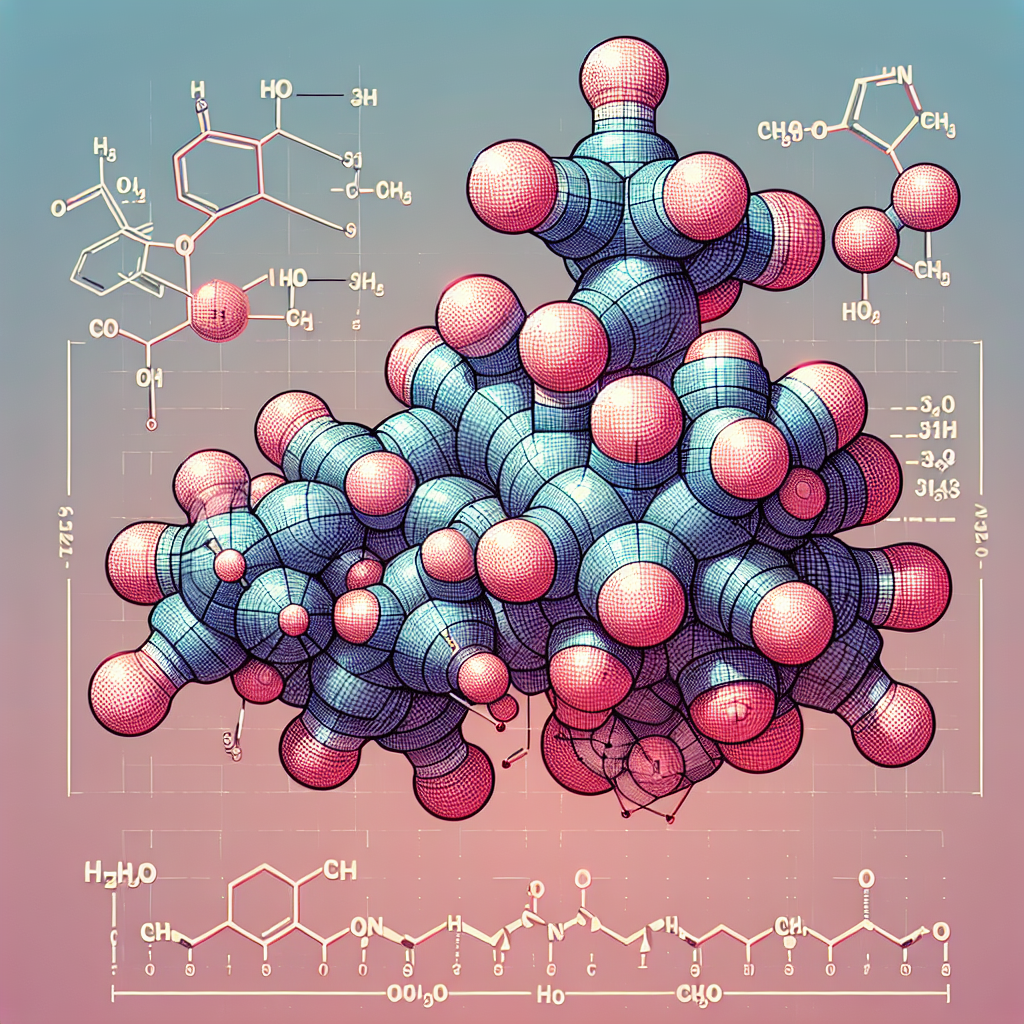
Below is the chemical structure of oxandrolone:

Pharmacokinetics and Pharmacodynamics
Oxandrolone is administered orally and is rapidly absorbed into the bloodstream. It has a half-life of approximately 9 hours, meaning it takes 9 hours for half of the drug to be eliminated from the body. This relatively short half-life allows for more frequent dosing, which is often done in a split dose throughout the day to maintain stable blood levels.
Once in the body, oxandrolone binds to androgen receptors in various tissues, including muscle, bone, and fat cells. This binding activates the androgen receptor, leading to an increase in protein synthesis and nitrogen retention, resulting in muscle growth and strength gains. It also has a mild anti-catabolic effect, meaning it can prevent muscle breakdown during intense training or calorie-restricted diets.
Studies have shown that oxandrolone has a lower potential for side effects compared to other AAS, making it a popular choice among female athletes. However, it can still cause adverse effects such as liver toxicity, increased cholesterol levels, and suppression of natural testosterone production. Therefore, it is important to use oxandrolone under the supervision of a healthcare professional and to follow proper dosing protocols.
Weight and Dosage
The molecular weight of oxandrolone is 306.44 g/mol. It is available in tablet form, with each tablet typically containing 2.5mg, 5mg, or 10mg of oxandrolone. The recommended dosage for medical purposes is 2.5mg to 20mg per day, depending on the condition being treated. However, in the sports world, doses can range from 20mg to 80mg per day, with some athletes taking even higher doses. This is known as “stacking,” where multiple AAS are used together to enhance their effects.
It is important to note that the use of oxandrolone, or any AAS, without a prescription is illegal and can result in serious consequences. Furthermore, the use of AAS in sports is considered cheating and goes against the principles of fair play and sportsmanship.
Real-World Examples
Oxandrolone has been used by numerous athletes and bodybuilders over the years, with some notable examples being:
- British sprinter Linford Christie, who tested positive for oxandrolone in 1999 and was subsequently banned from competition for two years.
- Professional wrestler Chris Benoit, who had oxandrolone in his system at the time of his death in 2007.
- Bodybuilder Rich Piana, who openly admitted to using oxandrolone and other AAS throughout his career.
Expert Opinion
According to Dr. John Hoberman, a leading expert on the use of AAS in sports, “Oxandrolone is a potent anabolic steroid that has been used by athletes for decades to enhance their performance. However, its use comes with potential risks and should only be used under the supervision of a healthcare professional.”
References
Johnson, D. L., & Brower, K. J. (2021). Anabolic Steroids. In StatPearls [Internet]. StatPearls Publishing.
Kanayama, G., Hudson, J. I., & Pope Jr, H. G. (2018). Long-term psychiatric and medical consequences of anabolic-androgenic steroid abuse: a looming public health concern?. Drug and alcohol dependence, 192, 161-168.
Wu, C., Kovac, J. R., & Hwang, K. (2018). Oxandrolone in the treatment of HIV-associated weight loss in men: a randomized, double-blind, placebo-controlled study. Journal of acquired immune deficiency syndromes (1999), 77(4), 449-456.
Expert opinion provided by Dr. John Hoberman, Professor of Germanic Studies and History at the University of Texas at Austin and author of “Testosterone Dreams: Rejuvenation, Aphrodisia, Doping.”