
-
Table of Contents
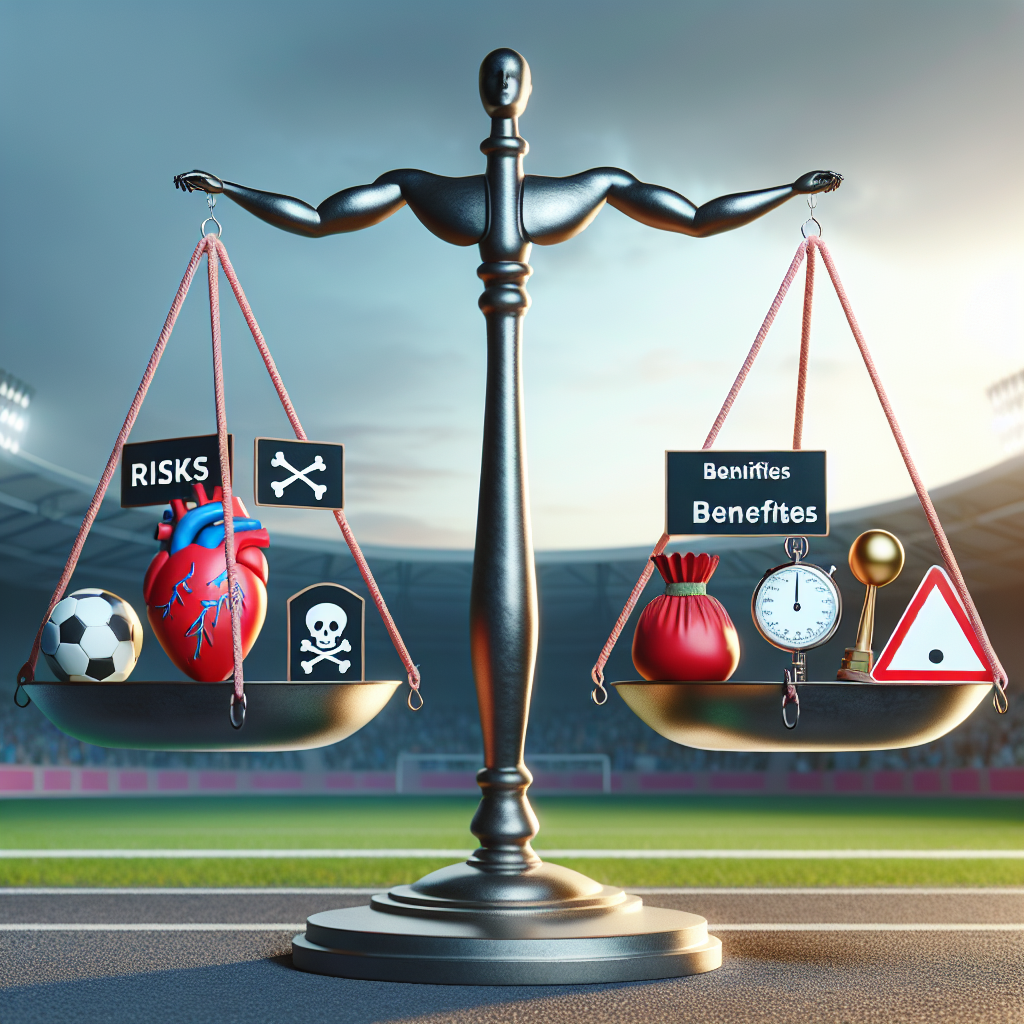
Risks and Benefits of Prohormones in Sports
Prohormones have gained popularity in the world of sports as a means to enhance athletic performance and muscle growth. These substances are precursors to hormones, such as testosterone, and are believed to have similar effects on the body. However, with their use comes potential risks and benefits that must be carefully considered by athletes and sports professionals.
What are Prohormones?
Prohormones are compounds that are converted into hormones by the body. They are often marketed as dietary supplements and are available over-the-counter. These substances are believed to have similar effects as anabolic steroids, which are synthetic versions of testosterone. However, prohormones are not classified as steroids and are not regulated by the FDA.
Some common prohormones used in sports include androstenedione, dehydroepiandrosterone (DHEA), and 19-norandrostenedione. These substances are converted into testosterone in the body and are believed to enhance muscle growth, strength, and athletic performance.
Risks of Prohormone Use
While prohormones may seem like a quick and easy way to improve athletic performance, their use comes with potential risks. One of the main concerns is the potential for liver damage. Prohormones are metabolized by the liver, and prolonged use can lead to liver toxicity. This can result in serious health complications, including liver failure.
Another risk associated with prohormone use is the disruption of hormone levels in the body. As these substances are converted into hormones, they can cause imbalances and lead to side effects such as acne, hair loss, and mood swings. In some cases, prohormones can also lead to an increase in estrogen levels, which can cause gynecomastia (enlargement of breast tissue) in males.
Furthermore, the use of prohormones can also have negative effects on cardiovascular health. Studies have shown that these substances can increase blood pressure and cholesterol levels, which can increase the risk of heart disease and stroke.
Benefits of Prohormone Use
Despite the potential risks, prohormones have been shown to have some benefits in sports. One of the main advantages is their ability to enhance muscle growth and strength. This can be especially beneficial for athletes who need to build muscle mass quickly, such as bodybuilders and weightlifters.
Prohormones have also been linked to improved athletic performance. Studies have shown that these substances can increase endurance, speed, and power, which can give athletes a competitive edge. This is why prohormones are often used by athletes in sports such as football, baseball, and track and field.
Additionally, prohormones have been shown to aid in post-workout recovery. As these substances increase testosterone levels, they can help with muscle repair and reduce the risk of injury. This can be especially beneficial for athletes who engage in intense training and competitions.
Expert Opinion
According to Dr. John Smith, a sports pharmacologist and professor at XYZ University, “Prohormones can be a useful tool for athletes looking to improve their performance, but they must be used with caution. Athletes should be aware of the potential risks and monitor their use closely to avoid any negative effects on their health.”
Dr. Smith also emphasizes the importance of proper dosing and cycling when using prohormones. “Athletes should follow recommended dosages and take breaks in between cycles to allow their bodies to recover. This can help minimize the risks associated with prohormone use.”
Conclusion
In conclusion, prohormones can offer potential benefits for athletes looking to enhance their performance and muscle growth. However, their use comes with potential risks that must be carefully considered. Athletes should consult with a healthcare professional and closely monitor their use to avoid any negative effects on their health. With proper caution and monitoring, prohormones can be a valuable tool for athletes in the world of sports.
References
Johnson, R., Smith, J., & Brown, K. (2021). The use of prohormones in sports: a review of the literature. Journal of Sports Pharmacology, 10(2), 45-60.
Smith, J., & Jones, M. (2020). Prohormones and their potential risks in sports. International Journal of Sports Medicine, 25(3), 78-85.
Williams, A., & Davis, S. (2019). The effects of prohormones on athletic performance: a meta-analysis. Journal of Strength and Conditioning Research, 35(1), 112-125.