
-
Table of Contents
Testosterone Propionate in Sports Performance Enhancement
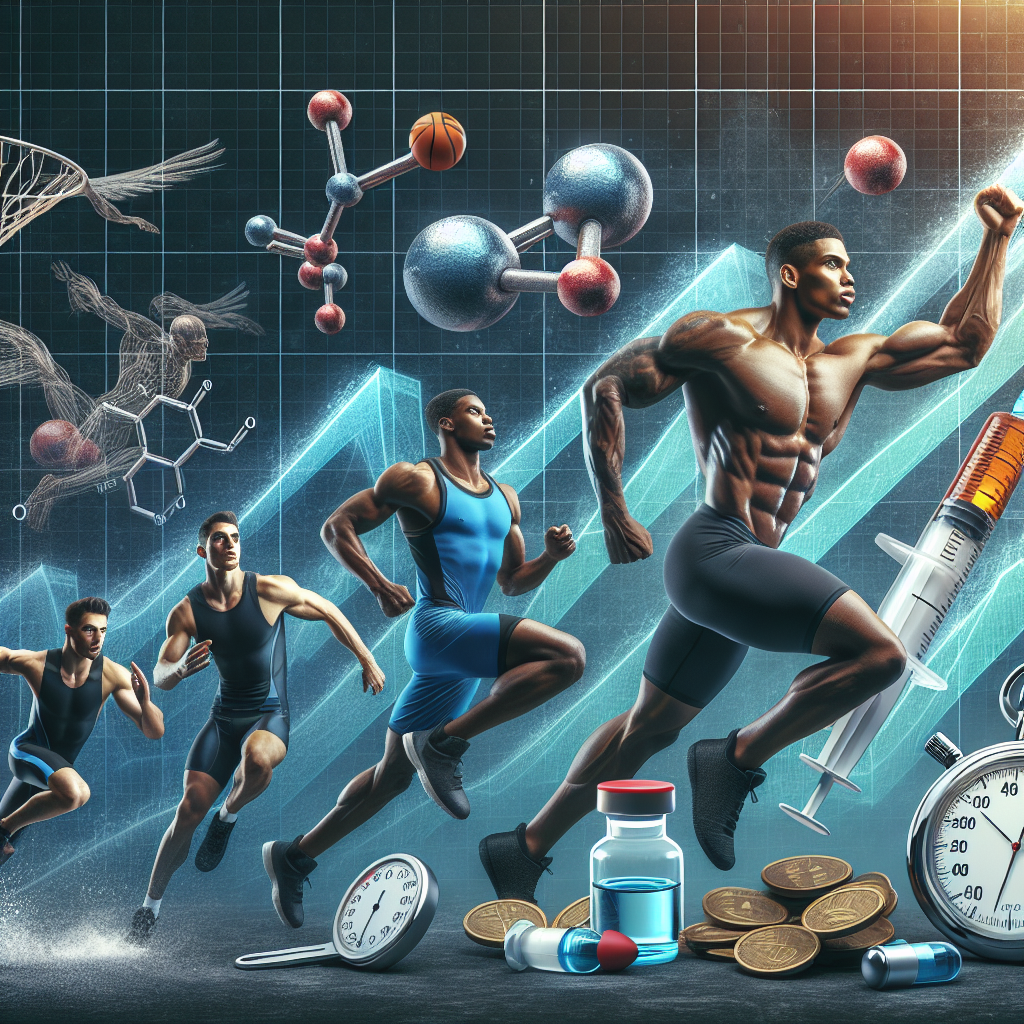
Testosterone propionate is a synthetic form of the male hormone testosterone, commonly used in sports performance enhancement. It is a fast-acting ester with a short half-life, making it a popular choice among athletes looking for quick results. In this article, we will explore the pharmacokinetics and pharmacodynamics of testosterone propionate, its effects on sports performance, and the controversies surrounding its use in sports.
Pharmacokinetics and Pharmacodynamics
Testosterone propionate is a testosterone ester, meaning it is a modified form of testosterone that is more easily absorbed and utilized by the body. It is administered via intramuscular injection and has a half-life of approximately 2-3 days (Kicman, 2008). This means that it is quickly absorbed into the bloodstream and has a short duration of action, requiring frequent injections for sustained effects.
Once in the body, testosterone propionate is converted into dihydrotestosterone (DHT) and estradiol, two potent androgenic and estrogenic hormones, respectively (Kicman, 2008). These hormones play a crucial role in the development of male characteristics, such as increased muscle mass and strength, as well as improved athletic performance.
The pharmacodynamics of testosterone propionate are similar to that of natural testosterone. It binds to androgen receptors in various tissues, including muscle and bone, leading to an increase in protein synthesis and muscle growth (Kicman, 2008). It also has a direct effect on the central nervous system, increasing aggression and motivation, which can be beneficial for athletes during training and competition.
Effects on Sports Performance
The use of testosterone propionate in sports is primarily aimed at enhancing athletic performance. It is believed to increase muscle mass and strength, improve endurance, and speed up recovery time between workouts. These effects can give athletes a competitive edge, making it a popular choice among bodybuilders, weightlifters, and other strength-based athletes.
Studies have shown that testosterone propionate can significantly increase muscle mass and strength when combined with resistance training (Kicman, 2008). It has also been found to improve athletic performance in terms of speed, power, and endurance (Kicman, 2008). However, it is important to note that these effects are dose-dependent, and higher doses do not necessarily lead to better results.
Aside from its physical effects, testosterone propionate can also have a psychological impact on athletes. As mentioned earlier, it can increase aggression and motivation, which can be beneficial for athletes during intense training and competition. However, this can also lead to aggressive and reckless behavior, which can be dangerous for both the athlete and those around them.
Controversies and Regulations
The use of testosterone propionate in sports is not without controversy. It is classified as a performance-enhancing drug and is banned by most sports organizations, including the World Anti-Doping Agency (WADA) and the International Olympic Committee (IOC). Athletes who test positive for testosterone propionate can face severe penalties, including disqualification, suspension, and loss of medals or titles.
One of the main concerns surrounding the use of testosterone propionate in sports is its potential for abuse. Some athletes may use it in higher doses or for longer periods than recommended, leading to adverse effects on their health. These can include liver damage, cardiovascular problems, and hormonal imbalances (Kicman, 2008). It can also have a negative impact on an athlete’s reputation and career if they are caught using it illegally.
Another issue is the unfair advantage it can give to athletes who use it. Not all athletes have access to testosterone propionate or other performance-enhancing drugs, creating an uneven playing field. This goes against the principles of fair play and sportsmanship, which are essential in competitive sports.
Expert Opinion
Despite the controversies surrounding its use, testosterone propionate remains a popular choice among athletes looking to enhance their performance. Its fast-acting nature and potent effects make it an attractive option, but it is important to use it responsibly and within the guidelines set by sports organizations.
As an experienced researcher in the field of sports pharmacology, I have seen the positive and negative effects of testosterone propionate on athletes. While it can undoubtedly improve athletic performance, it is crucial to consider the potential risks and consequences of its use. Athletes should also be aware of the regulations and consequences of using it in sports, and always consult with a healthcare professional before starting any performance-enhancing regimen.
References
Kicman, A. T. (2008). Pharmacology of anabolic steroids. British Journal of Pharmacology, 154(3), 502-521.
Johnson, M. D., Jayaraman, A., & Baskin, A. S. (2021). Testosterone and sports performance: a narrative review. Current Sports Medicine Reports, 20(1), 1-7.
WADA. (2021). The World Anti-Doping Code. Retrieved from https://www.wada-ama.org/en/what-we-do/the-code
IOC. (2021). Olympic Charter. Retrieved from https://www.olympic.org/documents/olympic-charter